






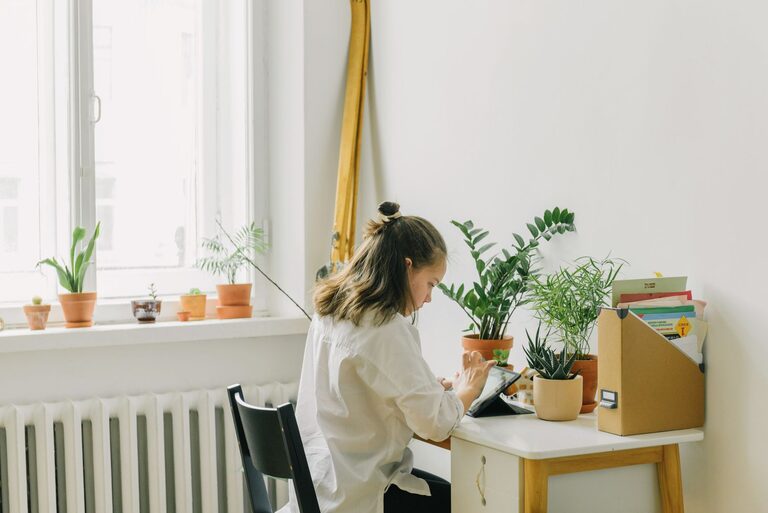
Creating a relaxing home workspace can make a significant difference in your productivity and overall well-being. Whether you work remotely full-time or occasionally take work home, having a dedicated area designed to reduce stress and encourage focus is key. In this post, we’ll explore practical tips to help you set up a calming and efficient workspace right in your home.
Why a Relaxing Workspace Matters
A workspace that feels cluttered or chaotic can hinder your ability to concentrate and increase stress levels. On the other hand, a thoughtfully designed area promotes calmness and helps your brain transition smoothly into “work mode.” This balance between relaxation and productivity can lead to better focus, creativity, and even job satisfaction.
Choosing the Right Location
Find a Quiet Spot
Select a quiet area in your home where interruptions will be minimal. This could be a spare room, a corner in your bedroom, or even a section of the living room. The important part is having a space where you can work comfortably without frequent distractions.
Consider Natural Light
Natural light has been shown to boost mood and energy. Position your workspace near a window if possible. If natural light is limited, invest in good-quality artificial lighting that simulates daylight to reduce eye strain and fatigue.
Declutter and Organize
Keep Essentials Only
A clean workspace helps clear your mind. Limit what you keep on your desk to essential tools like your computer, notebook, and a few personal items that inspire you.
Use Storage Solutions
Incorporate shelves, drawers, or organizers to store papers, office supplies, and other materials out of sight. Label containers for quick access and to maintain order.
Daily Tidying Habit
Set aside a few minutes at the end of each day to tidy your workspace. This simple habit ensures you start the next workday with a fresh and inviting area.
Invest in Comfortable Furniture
Ergonomic Chair
Your chair should support good posture to prevent discomfort during long work hours. Look for adjustable features such as seat height, backrest angle, and lumbar support.
Suitable Desk
Choose a desk that fits your needs without crowding the space. Consider options with enough surface area to accommodate your devices and workspace essentials.
Consider Standing Options
Some people benefit from standing desks or desks with adjustable heights, allowing you to alternate between sitting and standing, which can improve circulation and reduce fatigue.
Personalize with Soothing Elements
Choose Calming Colors
Soft, neutral tones or cool colors like blues and greens can create a peaceful atmosphere. Avoid overly bright or harsh colors that might cause distraction.
Add Plants
Indoor plants improve air quality and add a touch of nature, which can reduce stress and increase happiness. Easy-care plants like succulents or spider plants are great options.
Incorporate Art or Inspirational Items
Having artwork or motivational quotes nearby can boost creativity and keep you inspired, but keep these elements minimal so they don’t overwhelm the space.
Manage Technology Mindfully
Cable Management
Tidy cables with clips or sleeves to keep your area neat and prevent tripping hazards.
Limit Digital Distractions
Consider using apps that block distracting websites or mute notifications during focused work periods.
Quality Equipment
Invest in a good monitor, keyboard, and mouse that are comfortable to use and help reduce eye strain or repetitive stress injuries.
Enhance Air Quality and Temperature
Keep the Space Well-Ventilated
Open a window occasionally or use an air purifier to keep fresh air circulating, which supports alertness and comfort.
Maintain Comfortable Temperature
Ensure the room temperature is comfortable for you—neither too hot nor too cold—to avoid distractions.
Establish a Routine and Boundaries
Define Work Hours
Having clear start and end times helps maintain work-life balance and keeps your mind focused during work periods.
Communicate Boundaries at Home
If you share your space with others, explain your work schedule and ask for respect of your workspace and time.
Incorporate Mindful Breaks
Take Short Breaks
Step away from your desk every hour or so. Stretch, take a short walk, or do deep breathing exercises to refresh your mind and body.
Create a Relaxation Corner
If space allows, add a small area with a comfortable chair or cushion for quick mental breaks or meditation.
Final Thoughts
Creating a relaxing home workspace is about blending comfort with functionality. By choosing the right location, organizing effectively, using comfortable furniture, and adding calming touches, you can develop an environment that supports your productivity and well-being. Remember, this space should evolve with your needs, so feel free to make adjustments as you discover what helps you work best.
With these tips, your home workspace can become not only a place to complete tasks but also a sanctuary that inspires focus and creativity every day.